Botox has been part of my professional toolkit for more than a decade, and the most common surprise from first‑timers is how subtle the result can be. People expect a frozen mask and leave with softer expression lines and the same natural movement, simply less etched. When performed thoughtfully, botox cosmetic treatment is a precision exercise in anatomy, dosing, and timing, not a blunt instrument. This guide distills what I wish every patient knew before booking botox facial injections, whether you are chasing early preventive treatment or looking to smooth wrinkles that have been deepening for years.
What botox actually does, in real terms
Botox, the brand name for onabotulinumtoxinA, temporarily reduces the communication between nerves and targeted muscles. In aesthetic use, botox wrinkle injections relax specific facial muscles enough to soften expression lines, yet preserve baseline function. The effect is localized, dose dependent, and reversible. The body gradually metabolizes the toxin over three to four months for most people, sometimes longer for small areas like crow’s feet.
Think of a wrinkle as a crease in cloth formed by repeated folding. Botox anti aging injections reduce the folding force so the crease can relax. In early lines, that is often enough for near‑complete smoothing. In long‑standing grooves, botox wrinkle treatment improves the dynamic component, while the static etch may still benefit from adjuncts such as filler, resurfacing, or medical‑grade skincare.
Within aesthetic practice, botox therapy for wrinkles focuses on dynamic lines: the frown lines between the brows, horizontal forehead lines, and lateral canthal lines at the eyes. It can also refine a gummy smile, soften a pebbly chin, relax vertical neck bands, and lift the tail of the brow, among other targeted uses.
Where botox shines, and where it does not
In clinic, we match the tool to the job. Botox cosmetic injections excel at softening expression‑related wrinkles and at rebalancing muscle pull to create harmony. If you raise your brows habitually and see long horizontal furrows, botox forehead wrinkle treatment can ease them. If your outer eye crinkles form a spoked fan when you smile, botox for crow’s feet can smooth those feathering lines while keeping your smile alive. If you scowl during screen time and carry “11’s” between the brows, botox for frown lines can release that tense look.
Botox anti aging treatment does not replace lost volume, reverse sun damage, or correct laxity. Sun‑etched crosshatching, pronounced under‑eye hollows, and sagging contours need different strategies. Patients sometimes expect botox skin tightening treatment, but botox skin care treatment does not tighten tissue in the way radiofrequency or ultrasound treatments can. It can, however, make the skin look smoother by removing the muscle‑driven wrinkling that distracts from texture improvements.
Who is a good candidate
Ideal candidates share two features: dynamic lines that worsen with expression, and realistic goals. If your mirror test involves smiling, frowning, or raising the brows and the wrinkles increase, botox fine line treatment will likely help. Ages vary. Preventive botox early wrinkle treatment, sometimes called “baby botox,” can make sense in your late twenties or early thirties if strong animators are already etching creases. For many, botox for aging skin in the forties and fifties resets a tired or stern resting face to a more approachable look.
Medical screening matters. We avoid botox therapy in pregnancy and breastfeeding, in certain neuromuscular disorders, and with active skin infections at planned injection sites. Blood thinners do not prohibit treatment, but they increase bruising risk. Share your medications, supplements, and prior responses to botox or other neuromodulators. If you are prone to eyelid heaviness, that guides dose and placement. If you rely on strong brow lifting to compensate for heavier lids, your injector must preserve frontalis function to prevent an unwelcome brow drop.
The consultation: why artistry starts before the syringe
A strong botox service begins with assessment, not just a menu of units. I study how your face moves at rest and in motion. I ask for three views of expression: neutral, full smile, and furrow, then mark where the skin creases and where muscles bunch. Brow position, lid heaviness, forehead height, hairline, and even posture inform the plan. People with high foreheads need more careful distribution in the upper frontalis to prevent a step‑off line. Those with asymmetrical brows often want symmetry; achieving it may require different units on each side.
Setting expectations is part of the craft. I describe what botox for facial rejuvenation will and will not do in your case, where we plan to soften, and where we will preserve movement. For a client with a public‑facing job who values expressive brows, I favor a lighter touch on the forehead with stronger treatment to the glabellar complex, to prevent over‑quelling the only brow elevator. For someone with deep crow’s feet and strong zygomatic pull, I will often combine lateral orbicularis injections with a light touch to the DAO muscles to keep smile arcs balanced.
What the procedure feels like
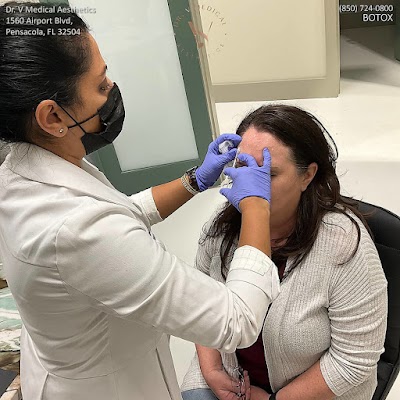
A typical botox cosmetic procedure for the upper face takes 10 to 20 minutes. I cleanse the skin, mark injection points with a removable cosmetic pencil, and cool the area briefly. Most clients describe the sensation as a few pinpricks and a mild pressure. I use a fine insulin‑grade needle, shallow depth, and small aliquots per point to improve comfort and accuracy. For botox facial treatment around the eyes, I angle away from the orbit and dose conservatively to reduce spread.
Expect tiny blebs that flatten within minutes and faint redness that fades over an hour or two. Mild swelling can last a few hours, especially at the crow’s feet, and bruising is uncommon but possible. Makeup can be applied gently after a few hours, once puncture points close. First‑time visitors are often surprised at how uneventful the botox procedure feels compared to what they imagined.
Aftercare that actually matters
Most heavy aftercare rules you hear are folklore. What matters is minimizing immediate spread and reducing bruising risk. I recommend avoiding strenuous workouts, saunas, or deep facial massages for the rest of the day. Keep your head upright for a few hours, avoid tight hats pressing on the forehead, and skip alcohol that evening if bruising worries you. Light cleansing is fine. Normal skincare can resume the next morning. You do not need to “work in” the botox; rubbing does not help and can hinder.
Results do not appear instantly. Early changes begin around day 3, with the full botox skin smoothing effect at day 10 to 14. Plan your timing accordingly, especially for events or photos.
Dosing philosophy: less, more targeted, smarter
The art of botox cosmetic rejuvenation lies in dosing and placement. A strong injector uses the fewest units needed to meet the goal and adjusts for anatomy, sex, age, and muscle strength. Men typically require more units due to thicker muscles. High foreheads need a broader, lighter spread across the frontalis. Small foreheads benefit from narrow bands to avoid lowering the brows.
In practice, botox for forehead lines often uses a grid across the upper two‑thirds of the frontalis to preserve brow lift. For botox for frown lines, I target the corrugator supercilii and procerus, keeping lateral spread controlled to avoid affecting elevator function. For botox for crow’s feet, small aliquots 1 cm lateral to the orbital rim soften the fan, with careful attention to smile balance. These choices make the difference between a fresh, awake look and the flat forehead that broadcasts “overdone.”
Techniques that elevate results beyond the basics
Advanced patients, or those with specific concerns, benefit from nuanced techniques:
Microdosing for etched horizontal lip lines can soften “smoker’s lines” without muting the lip. The doses are tiny and placed superficially along the white roll. In strong chins with orange‑peel texture, botox facial therapy to the mentalis smooths dimpling. For downturned mouth corners, a light touch to the depressor anguli Homepage oris helps restore a neutral, less sad expression. A gummy smile often responds to subtle dosing of the levator labii superioris complex. For neck bands, botox cosmetic treatment to the platysma can soften vertical cords and gently sharpen the jawline, a micro‑lift effect best suited to early laxity.
Still, restraint is key. Each of these areas interacts with speech, chewing, or smile dynamics. Over‑treat and you trade one problem for another. The goal remains expressive ease with fewer distracting lines.
Safety: grounded, boring, essential
In trained hands, botox cosmetic care is safe. Adverse effects are usually mild and self‑limited. Bruising happens in a minority of cases. Headache can occur in the first day or two. Eyelid heaviness is the event everyone worries about; fortunately, it is uncommon and temporary, usually resolving within two to six weeks if it occurs. It is often a function of individual anatomy or migration rather than outright error, but precise placement and conservative dosing near the brow reduce the risk. If heaviness does occur, we can sometimes ease the symptom with apraclonidine drops and patience while the effect dissipates.
Allergic reactions are rare. Infection is extremely rare given the small punctures and sterile technique. If you have a history of keloids or hypertrophic scarring, needle sticks are not typically an issue, but we still discuss it.
The most important safety principle is provider selection. Choose a professional who understands facial anatomy deeply and performs botox aesthetic injections routinely. Board‑certified dermatologists, plastic surgeons, facial plastic surgeons, and well‑trained nurse injectors working under physician oversight fit this profile. Ask how they manage complications, not just how they inject.
Matching treatment to your life, not the other way around
Every lifestyle sets its own constraints. For frequent fliers, I time botox maintenance treatment so day 10 lines up with work trips or presentations. For athletes and fitness professionals, we schedule on rest days to limit immediate bruising and swelling. For new parents who smile constantly on no sleep, crow’s feet often beg for attention first, while forehead lines can wait if the brow lift is essential for alertness.
Budget matters too. Botox professional treatment is priced per unit or per area depending on the clinic. In my region, per‑unit costs range widely. A good conversation defines the priority zone that provides the biggest impact for your spend. If you have deep 11’s that make you look angry, start with glabella. If a heavy brow makes you look tired, we plan a brow‑preserving forehead pattern with a light lateral lift. Adding small areas later avoids a scattered, underwhelming result.
How long it lasts and when to touch up
Most people enjoy three to four months of full effect, with a tapering tail. Crow’s feet fade a bit faster for active smilers. The glabella often holds slightly longer, especially once treated consistently. You will not wake up the day after it “wears off” back at baseline; the return of movement is gradual.
I like to see new patients around two weeks after treatment to assess peak effect. If a brow peak needs a single‑point adjustment, or a strong corrugator demands a touch more, a few additional units at that visit polish the result. Subsequent sessions become more predictable. Sticking to a cadence of botox touch up treatment before full return of muscle strength often yields smoother, longer‑lasting outcomes over time. Muscles conditioned to gentler contraction etch less aggressively between sessions.
The role of skincare and combination therapy
Botox skin rejuvenation works best in a broader plan. Medical‑grade sunscreen, a well‑tolerated retinoid, antioxidants, and thoughtful moisturization make each round more effective and can allow lighter dosing. If static lines persist at rest, consider adding collagen‑stimulating procedures like microneedling with radiofrequency, fractional laser resurfacing, or chemical peels. These rebuild the dermal scaffolding so lines look shallower even without expression.
Volume loss is a separate problem. If the midface has deflated, botox facial improvement will not lift it. Hyaluronic acid fillers, fat grafting, or biostimulatory fillers address that. I often stage treatments: first the botox aesthetic treatment to quiet overactive muscles, then address volume one to two weeks later when the dynamic pattern is known. This sequencing minimizes surprises and helps filler sit in more stable terrain.
Myths I still hear, debunked with calm facts
“Botox poisons your body permanently.” The dose used in botox cosmetic therapy is tiny and localized. The effect is temporary. Decades of aesthetic and medical data support a strong safety profile when used correctly.
“Once you start, you can’t stop.” You can stop anytime. Your face will not rebound into worse wrinkles; it will return to its baseline pattern. If anything, months or years of reduced folding often leave lines slightly softer than they would have been without treatment.
“It will freeze my face.” It can, if heavy‑handed. A customized plan can keep your expressions intact. I routinely treat actors, teachers, and public speakers who rely on expressive range. They look refreshed, not rigid.
“It is only for women.” Men benefit too, often targeting the glabella and forehead. Dosing is adjusted for thicker muscles and different aesthetic goals such as preserving a stronger lateral brow.
“Creams can replace botox.” Topicals improve texture, pigment, and collagen. They do not relax muscle contraction. If expression lines bother you, botox wrinkle smoothing does something creams cannot.
Choosing a botox clinic wisely
Credentials matter, but so do results you can see and a consultation that feels collaborative. You want a provider who takes photos, shows you where and why they plan to inject, and welcomes your input. If the clinic promises identical results for everyone or quotes units without assessing your animation, keep looking. An ethical practice discusses risks, alternatives, and expected durability. They maintain proper cold chain storage for the product, reconstitute with appropriate diluent volumes, and are happy to explain their process.
Beware of deals that are “too good.” Dilution games and rushed visits can create uneven outcomes. A fair price paired with meticulous technique beats a bargain that requires expensive fixes later.
Special scenarios and nuanced judgment
Strong asymmetries are common. A heavy left brow, a higher right cheek, a small head tilt from desk work, or previous dental work can skew how muscles pull. Adjusting botox aesthetic skin therapy to these realities is normal. A unilateral bunny line from a past fracture gets its own micro‑dose. A talk‑show host with a signature eyebrow raise gets extra care preserving that feature.
Ethnic variation in brow shape and skin thickness influences planning. For thicker sebaceous skin, dynamic lines may look less severe, but stronger doses are sometimes needed to reach the muscle effectively. For thin, fair skin that bruises easily, a gentler approach with narrower spread reduces echoing shadows.
Clinical timing around life events needs care. If you are getting wedding photos in four weeks, ideal timing is treatment today, a check in two weeks for refinements, and stable results by week three. For high‑stakes performances, build in an additional cycle months earlier so you know how your face will respond.
The lower face and neck, handled carefully
Lower‑face botox for smile lines and mouth corners requires a steady hand and restraint. Speech and chewing mechanics depend on many small muscles. I treat the depressor anguli oris lightly to lift corners without flattening the smile. The mentalis gets just enough to smooth chin dimpling without drooling risk. For masseter hypertrophy from clenching, botox minimally invasive treatment can slim a square jaw over months and ease jaw tension, but I stage doses to avoid chewing fatigue.
Platysmal bands respond well to light dosing along the vertical cords. This botox cosmetic skin therapy can improve contour subtly, especially in early laxity. Expect two to three sessions spaced a few months apart for steady gains.
What a typical plan can look like
Let me illustrate with two familiar scenarios.
Client A, 32, tech professional, strong glabella and early forehead lines, high‑energy communicator who values expressive brows. We target the glabella complex firmly to release the frown habit and apply a light, high‑forehead pattern to preserve lift. Crow’s feet are mild; we skip them on round one. At the two‑week check, we refine a faint lateral brow peak with a whisper of units. She returns at month four for a maintenance treatment with similar dosing. Over a year, the 11’s at rest soften enough that units drop slightly.
Client B, 48, hospitality manager, deep crow’s feet and etched forehead lines, speaks to guests all day and wants to look rested. We begin with botox for eye wrinkle treatment along the lateral orbicularis, then a moderate forehead plan that keeps a bit of lift while smoothing central lines. The glabella gets enough to remove the at‑rest stern look. Static forehead etches remain at peak effect, so we add fractional resurfacing a month later and begin nightly retinol. At six months, her skin texture has improved, and her botox face therapy units stabilize as her lines fold less harshly.
Cost, units, and value
Pricing varies by city and provider. Unit counts depend on muscle strength and goals. A light preventive dose may use fewer units; a stronger correction uses more. Value is not only units per dollar, but planning, precision, and the absence of avoidable complications. A well‑executed botox cosmetic face treatment reduces how much makeup you need, how often you frown without realizing it, and how tired you look by late afternoon. For many, that daily ease is worth as much as the lines themselves.
If budget is tight, focus on the one area that most changes how you feel in the mirror. Often that is the glabella for a softer, less stern presence. Later, add crow’s feet or a balanced forehead plan.
Longevity strategies you can control
Your habits influence durability. Daily sunscreen preserves collagen so static lines fade faster. Retinoids and peptides support skin renewal. Good sleep, hydration, and stress management reduce frown triggers that compete with botox skin improvement. Avoid smoking; it accelerates line formation that no amount of botox can fully counter. If you grind your teeth, treat the habit. Night guards and, in some cases, masseter botox can protect teeth and soften the jawline together.
Space your sessions before full return of muscle strength to keep etching minimal. At the same time, take periodic photos at rest and in motion so you and your provider can calibrate. The best plans evolve as your face and preferences change.
Final take
Botox cosmetic rejuvenation is not a magic wand or a gateway to frozen expressions. It is a tuned, minimally invasive tool that quiets the overactivity behind many of the lines that age a face. When used with intention, it brings back ease: the ease of looking like you feel, the ease of smiling without fanlike crinkles stealing attention, the ease of focusing without accidental scowls. The difference between average and excellent outcomes lies in anatomy‑driven planning, honest goals, and consistency.
If you are considering botox cosmetic skin care or botox dermatology treatment, start with a consultation that feels like a conversation, not a sales pitch. Bring your priorities and your calendar. Ask to see before‑and‑after photos that match your features and goals. Make a plan that respects expression. Then give the medicine its window to work. Around day ten, you will likely catch your reflection and notice you simply look more rested, as if the clock ticked back a notch while you were busy living your life.
Below is a short readiness check I share with new patients. If most answers are yes, you are prepared to move forward thoughtfully.
- I can point to the lines that bother me most and show how they change with expression. I want to look more rested, not different, and I am open to a staged plan. I understand results appear over 3 to 14 days and last about 3 to 4 months. I am choosing a provider based on training, safety, and results, not price alone. I can avoid intense workouts and facial pressure for the rest of the treatment day.
Botox cosmetic enhancement is a partnership between your goals and your provider’s judgment. When done well, it respects your face’s story and edits the lines that no longer serve you.